
Prepping Your Boat for the Season
How to Prepare Your Bass Boat for the Upcoming Fishing Season
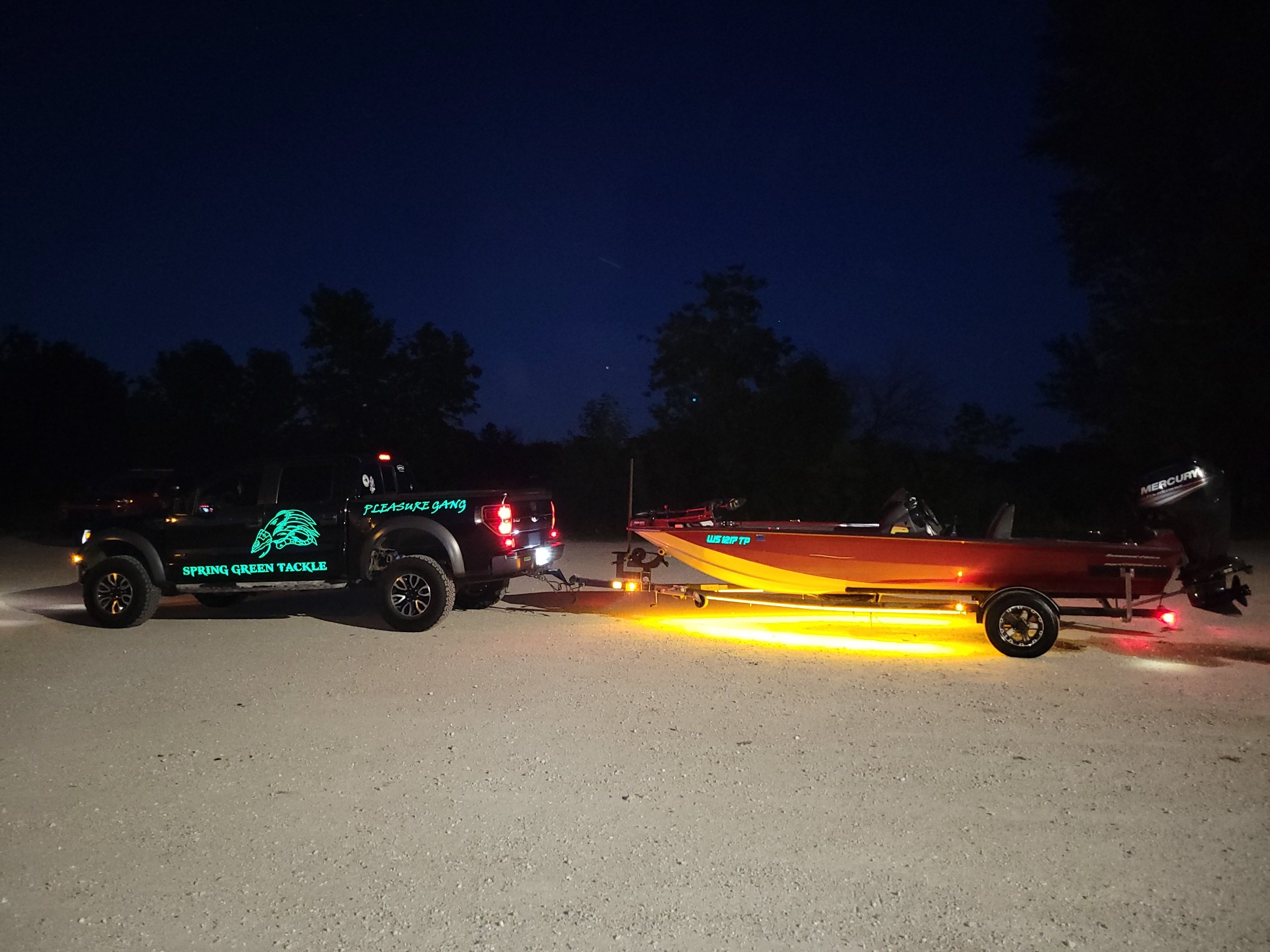
As winter fades and fishing season approaches, preparing your bass boat properly can make the difference between a smooth, productive year and constant frustration on the water. Whether you're a tournament angler, content creator, or weekend fisherman, boat organization, maintenance, deck efficiency, and sponsor visibility all matter.
Here’s a complete guide to preparing your bass boat for the fishing season, with smart space-saving ideas, maintenance tips, content recording setup options, and even considerations for bringing your dog along.
1. Start With a Full Boat Inspection
Before organizing anything, ensure your bass boat is mechanically ready.
Engine & Mechanical Maintenance
Change engine oil (if required for your motor type)
Inspect lower unit fluid
Check spark plugs
Inspect prop for dings or cracks
Test throttle and steering cables
Charge and load-test all batteries
Inspect bilge pump and livewell pumps
Spring is also the time to:
Check trailer tires and bearings
Inspect trailer lights
Grease hubs
Confirm winch strap integrity
Preventative maintenance avoids breakdowns during peak fishing windows.
2. Declutter and Maximize Storage Space
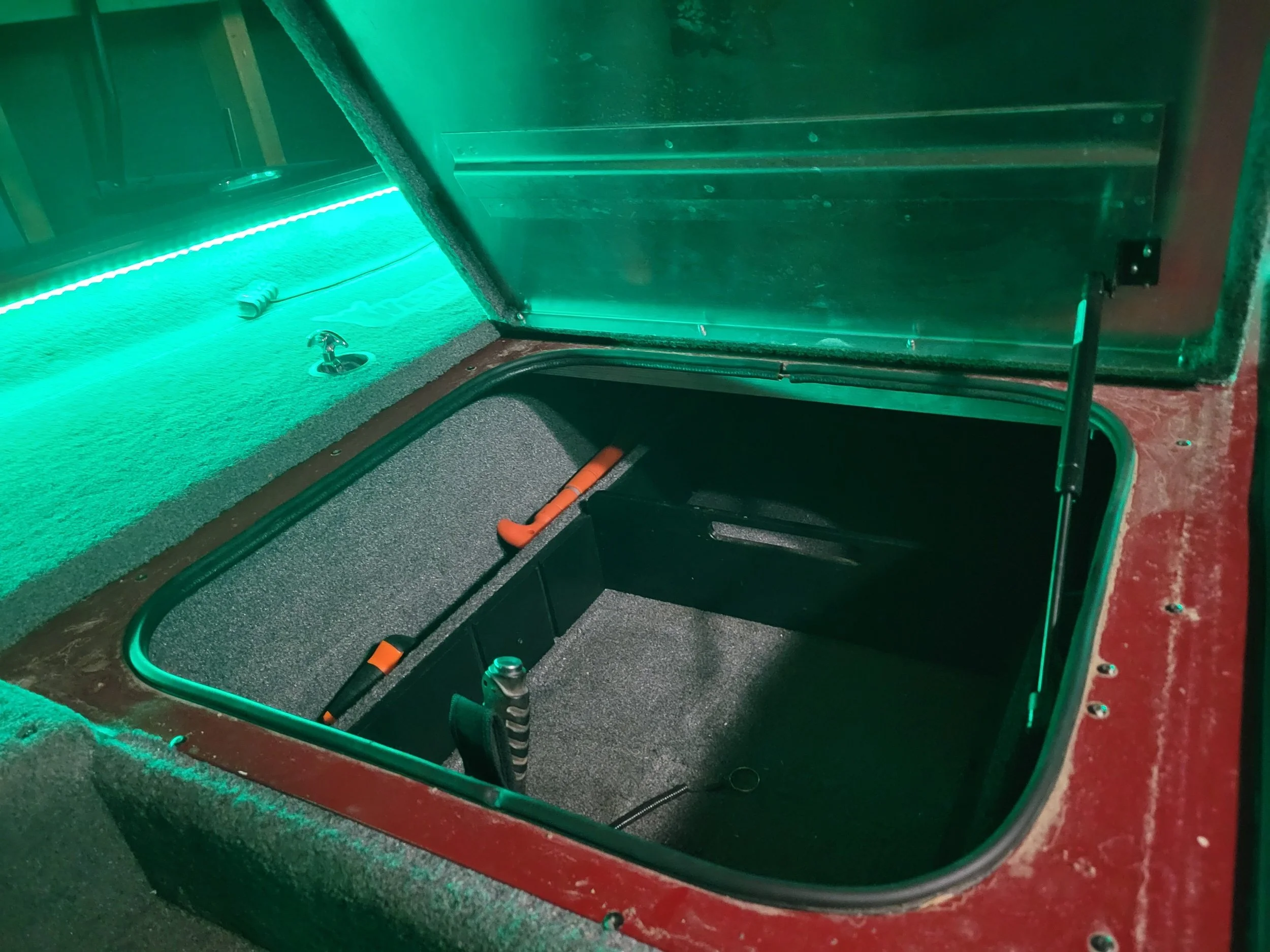
Over time, bass boats accumulate unnecessary gear. A clean reset improves efficiency and safety.
Remove:
Broken baits
Rusted hooks
Duplicate tools
Old line spools
Unused plastics
Space-Saving Ideas:
Use Modular Tackle Boxes
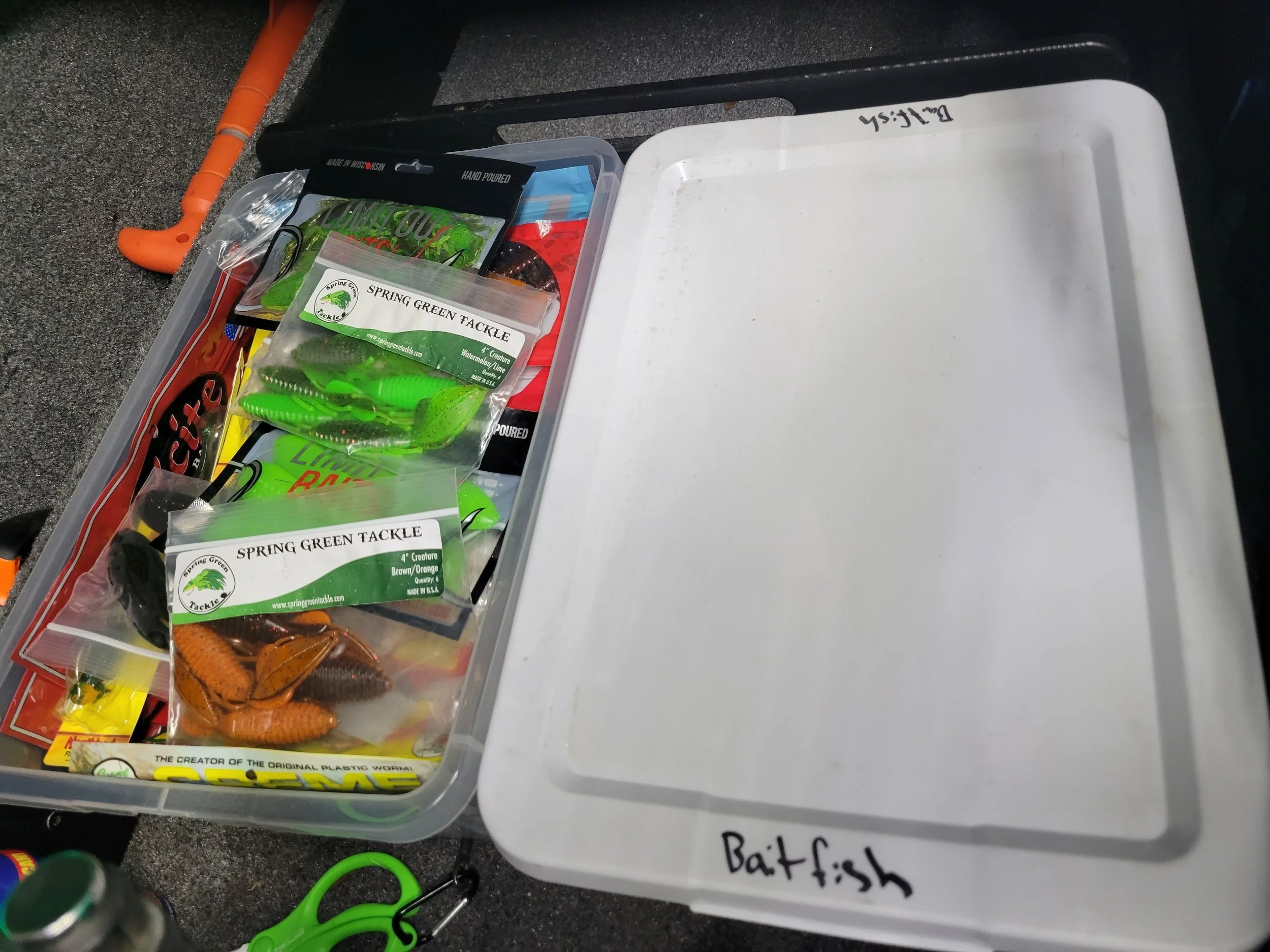
Standardized waterproof boxes stack cleaner and prevent wasted space.
Soft Plastic Binder Systems
Instead of loose bags filling compartments, use labeled binder systems to compress and organize plastics.
Horizontal Rod Storage
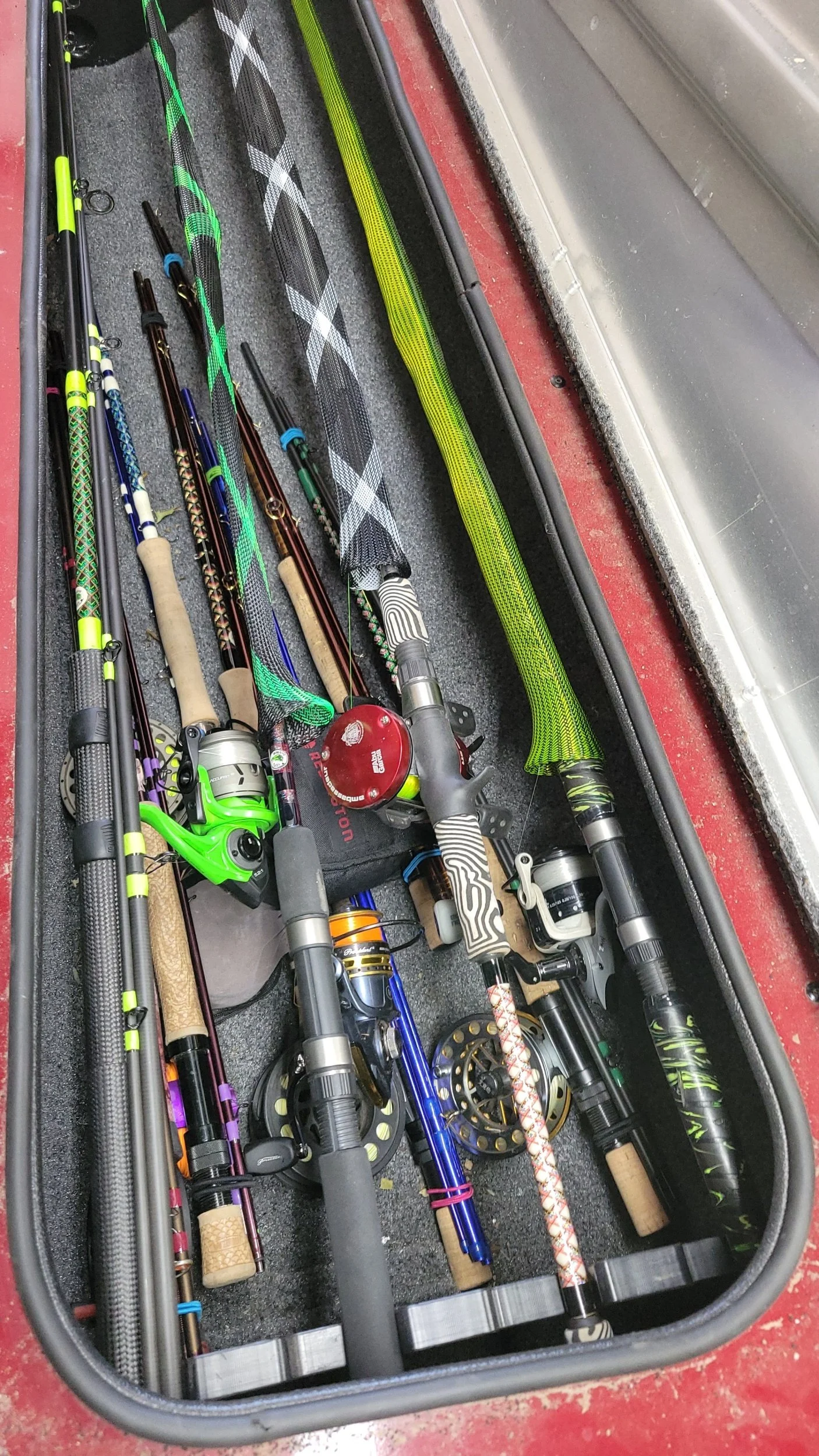
If your boat allows, maximize rod locker height with rod sleeves to prevent tangles and allow tighter packing.
Compartment Dividers
Install lightweight dividers to prevent sliding gear and wasted dead space.
The goal: Every item has a designated place.
3. Keep the Casting Deck Clean and Functional
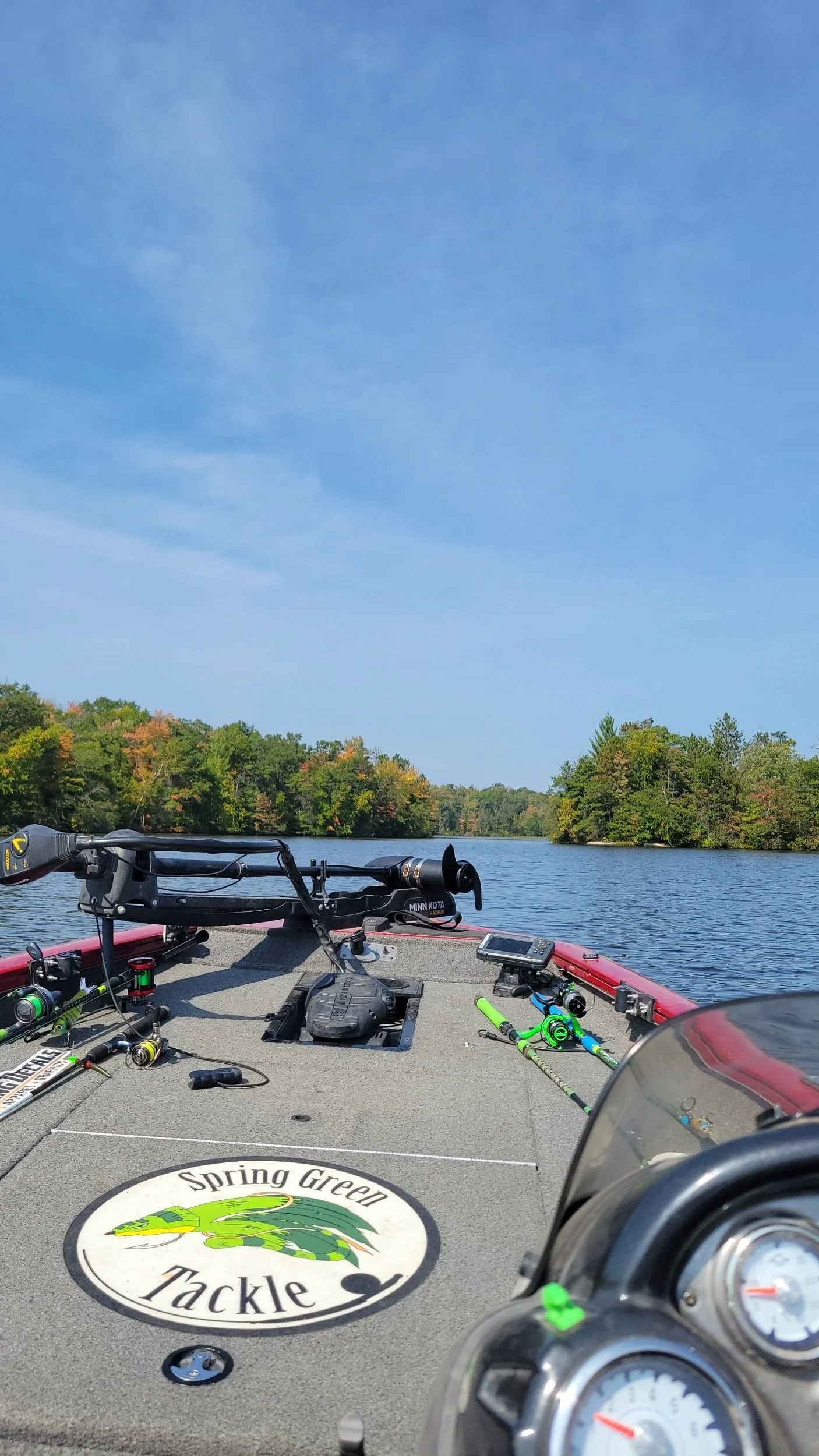
A clean casting deck improves:
Safety
Hookset efficiency
Camera angles
Professional appearance
How to Maintain a Clean Deck:
Store only 3–5 rods on deck at one time
Keep a small trash pouch accessible
Use non-slip deck mats
Mount frequently used tools (pliers, scissors) to retractable lanyards
Avoid:
Loose bait bags
Empty water bottles
Random tackle piles
Efficiency equals more casts — and more fish.
4. Smart Use of Space for Tournament & Content Anglers
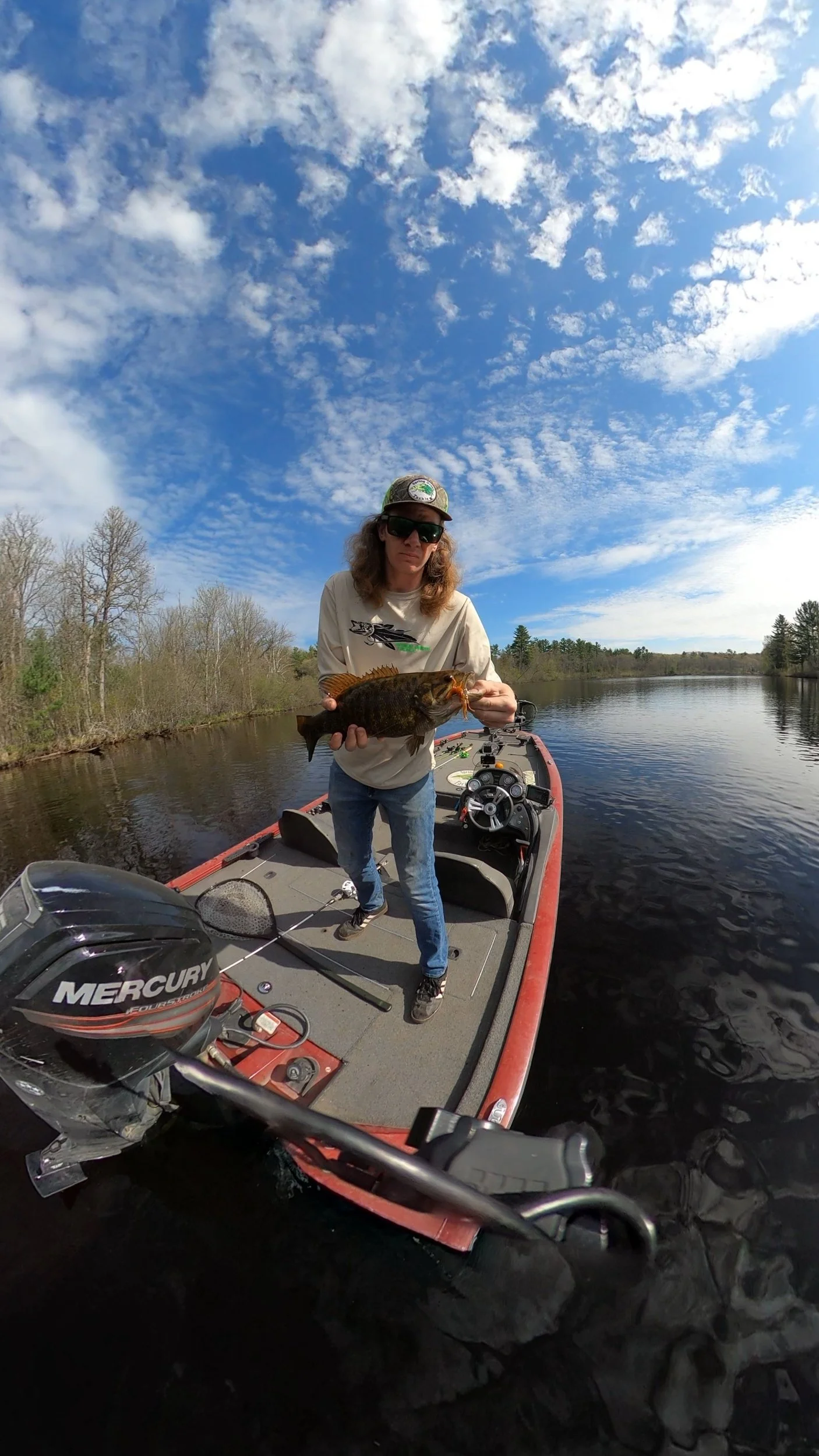
If you're filming or running sponsorships, layout matters even more.
YoloTek Gear for Recording While Fishing
Mounting systems like YoloTek PowerStick and camera mounts allow you to:
Capture hooksets hands-free
Record full fight sequences
Power GoPros while filming
Maintain clean deck layout
Proper camera placement:
Slightly off-center behind casting position
High enough to capture rod tip and landing area
Out of primary casting lanes
Clean wiring and secure mounts prevent deck clutter and hazards.
5. Placement of Sponsorship Branding for Visibility
For anglers working with sponsors, branding placement should be intentional and camera-visible.
Best Branding Locations:
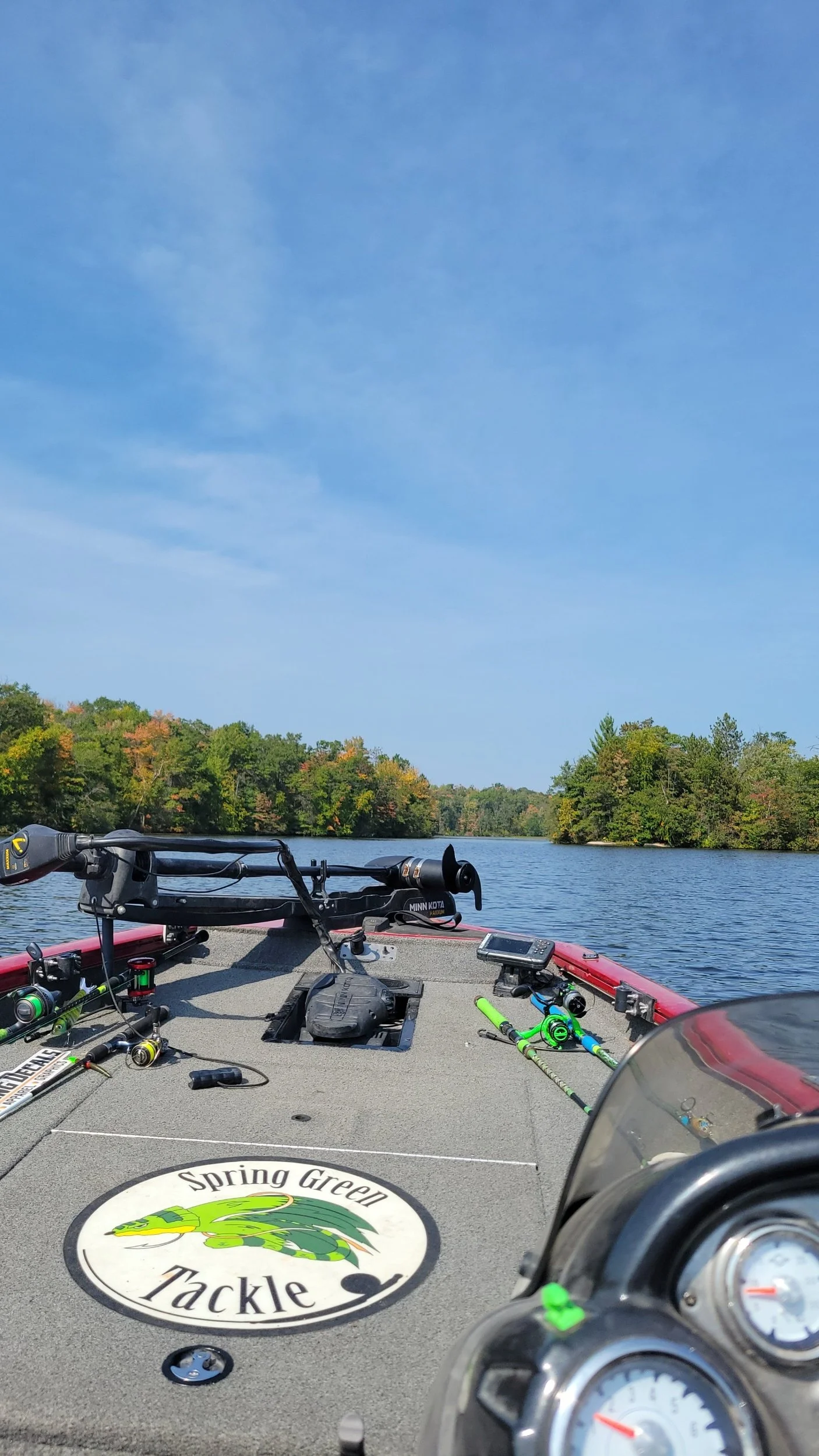
Inside gunnel panels
Console area (visible in chest-mounted camera footage)
Rear deck panel (visible in fight sequences)
Tow vehicle and trailer sides
Buffs, jerseys, and outerwear
Avoid:
Cluttering every visible surface
Placing logos where rods or gear constantly block them
Overlapping sponsor categories
Strategic placement increases exposure without sacrificing professionalism.
6. Preparing for Fishing With a Dog on Board
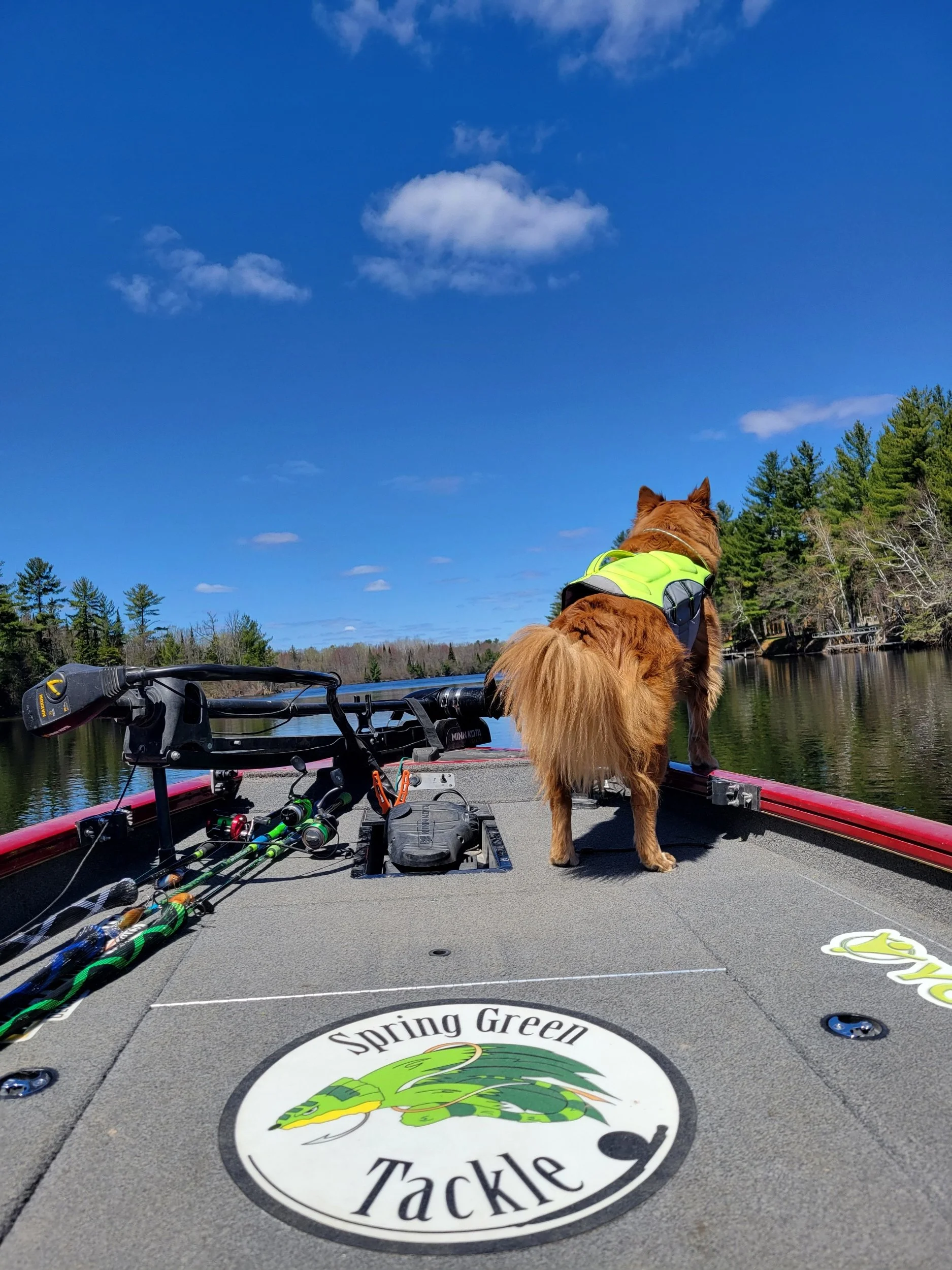
Many anglers bring their dog along — but preparation is essential for safety and cleanliness.
Dog Setup Tips:
Designate a non-skid resting area
Bring a collapsible water bowl
Pack extra towels
Use a leash tie-off for docking situations
Consider a canine life jacket
Keep dog gear stored in one dry storage compartment to prevent deck clutter.
Avoid placing dog items in rod lockers or main tackle areas.
7. Ideal Boat Organization by Season
Spring bass fishing often requires:
Jigs
Spinnerbaits
Chatterbaits
Crankbaits
Soft plastics
Swimbaits
Instead of loading everything, organize by seasonal pattern.
Keep:
Primary techniques front-accessible
Secondary patterns mid-storage
Backup gear in rear compartments
This prevents constant digging and keeps your casting deck clean.
8. Boat Snack & Hydration Strategy
Snacks matter more than anglers admit — especially during long tournament days.
Smart Boat Snacks:
Protein bars
Jerky
Trail mix
Bananas
Electrolyte drinks
Bottled water
Use a small soft cooler with:
Ice packs (not loose ice)
Separate compartments for dry storage
Designated trash bag inside cooler lid
Avoid:
Greasy foods
Crumbs on carpet
Overpacking large coolers
Keep food compact and easily accessible without cluttering deck space.
9. Final Checklist Before the Season Starts
✔ Batteries charged
✔ Electronics updated
✔ Safety equipment onboard
✔ Fire extinguisher current
✔ Life jackets accessible
✔ Tackle organized
✔ Deck cleared
✔ Camera mounts secure
✔ Sponsor branding visible
✔ Snacks packed
Preparation equals confidence — and confidence catches fish.
Final Thoughts on Preparing Your Bass Boat for Fishing Season
Preparing your bass boat isn’t just about maintenance — it’s about efficiency, branding, safety, and maximizing time on the water.
By:
Streamlining storage
Keeping your casting deck clean
Positioning sponsor logos strategically
Utilizing YoloTek gear for clean filming setups
Packing smart snacks
Preparing for canine companions
Completing full mechanical checks
You set yourself up for a productive, professional fishing season.
The more organized your boat is, the more focused you can be on what matters — finding and catching fish.